
Description
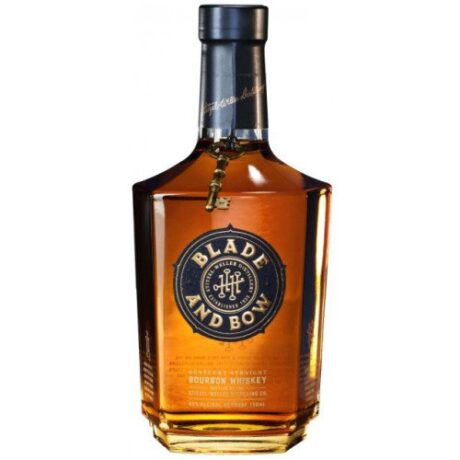
About Blade & Bow Kentucky Straight Bourbon Whiskey
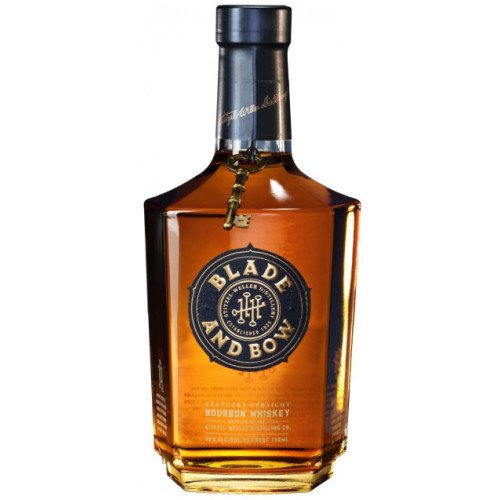
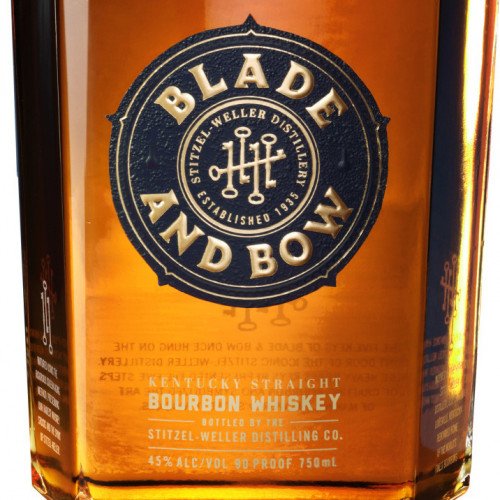
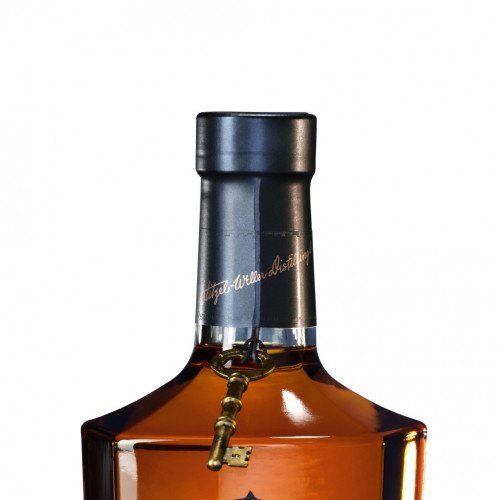
Throughout the Stitzel-Weller Distillery, the “five keys” symbol appears frequently — each key represents a step in the whiskey-making process: grains, yeast, fermentation, distillation and aging. Blade and Bow Kentucky Straight Bourbon Whiskey, one of the first releases in over two decades to utilize actual whiskey distilled at the Stitzel-Weller Distillery, is named after the blade shaft and ornate bow handle that together comprise the two parts of Stitzel-Weller’s iconic skeleton keys.
What It Is / Key Details
-
Producer / Heritage: Blade & Bow is made by Diageo. It honors the legacy of the Stitzel‑Weller Distillery in Louisville, Kentucky. Blade & Bow bottles even include one of five distinct “keys” that refer to the five steps of bourbon‑making that hung on the front door of Stitzel‑Weller.
-
Type / Style: Kentucky Straight Bourbon Whiskey.
-
ABV / Proof: 45.5% ABV (91 proof) in its standard expression.
-
Age / Maturation: It is NAS (no age statement). However, it uses a solera aging system, which means newer bourbon is blended with older stocks — including some of the oldest from Stitzel‑Weller. The minimum age is at least 4 years by law (for “straight bourbon”), and sources suggest younger bourbon in the blend is around 6 years, along with much older stocks.
-
Casks / Barrels: Aged in new charred American white oak barrels. The solera system involves blending from barrels of various ages without completely emptying the oldest ones; so there’s always some very old bourbon in the mix.
Taste & Aroma / Flavor Profile
Here are what reviewers and the brand report about what it tastes like (“the good stuff” and what to expect):
| Aspect | Notes |
|---|---|
| Nose / Aroma | Fresh fruit (pear, apricot), vanilla, roasted grain, some light oak, brown sugar, warm spices. |
| Palate / Taste | Sweet caramel and vanilla forwarded; dried fruit (apricot, pear); roasted / toasted grain; baking spices; hints of tobacco or light oak; some subtle earthy or oak woods in background. |
| Finish | Medium; charred oak and warm spices linger; vanilla and fruit fade but leave a bit of oak and spice aftertaste. Not extremely long or aggressive, but enough to show character. |
Strengths (What It Does Well)
-
Heritage & Story: If you care about bourbon history, the Stitzel‑Weller connection appeals: using their old stocks, honoring their legacy, etc. Gives it narrative and emotional value.
-
Balance: It tends to be fairly well balanced: sweetness, fruit, oak, and spice — none of them too extreme. Good for sipping or casual drinking.
-
Flavor for Proof: 45.5% gives a little more punch than many standard 40% ABV bourbons; still smooth.
-
Solera System Adds Depth: The solera blending helps continuity of character, and the presence of very old bourbon (even if in small part) adds layers.
Weaknesses / What Some Drinkers Don’t Like
-
NAS & Unclear Mash Bill / Component Ages: Because the ages of the whiskies in the blend aren’t fully disclosed, it’s harder to predict exactly how “mature” the youngest parts are. Some feel it tastes young in some batches.
-
Finish & Depth Limits: Some reviewers say the finish is good but not extremely memorable or complex, especially compared to older or single‐barrel bourbons.
-
Price vs Competition: In many markets it’s priced at a premium; some bourbon lovers think that for the price you could get a single malt or aged bourbon with deeper complexity. Whether it’s “worth it” depends on whether you value the story & smoothness or want raw age & boldness.
Who It’s Good For
Blade & Bow is likely to suit:
-
Someone who appreciates bourbon history and a good story behind the bottle.
-
Drinkers who like bourbons that are more fruit/vanilla/oak/spice balanced rather than super peaty, smoky, or intensely wood‑charred.
-
Folks who want something nice to sip neat or with a little water, not just for cocktails.
-
Those willing to pay a modest premium for smoothness, heritage, and a flavor profile that is approachable but has some depth.
It might be less ideal if you:
-
Prioritize very old age statements or very bold, complex bourbons.
-
Prefer heavily peated or smoky styles.
-
Want strong oak vs fruit trade‑offs; if oak/spice dominates, you might feel it’s lacking in boldness.


Reviews
There are no reviews yet.