
Description
About Clase Azul Día de Muertos Colores 2022 Edition Tequila
Bottle & Packaging / Artwork
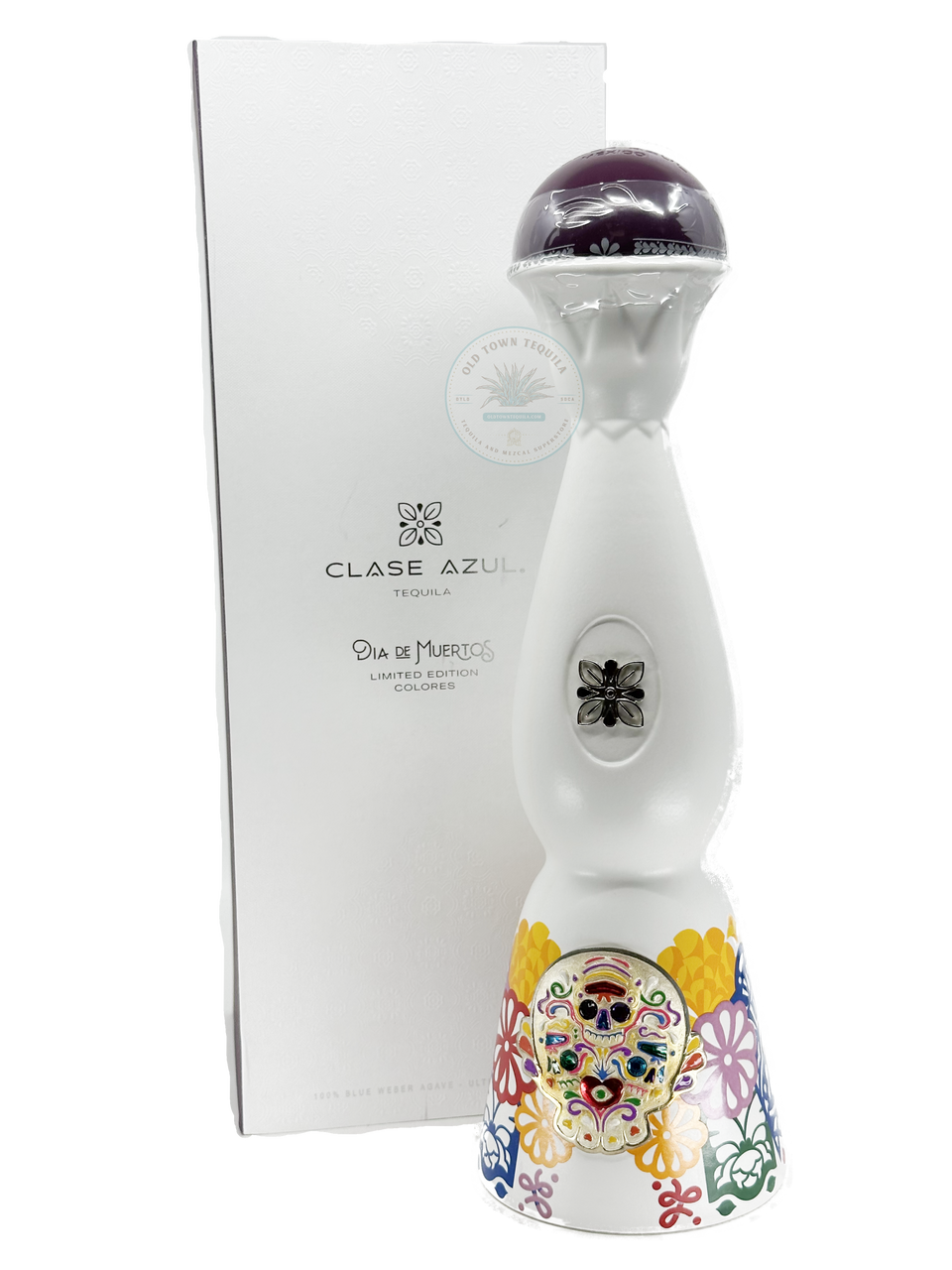
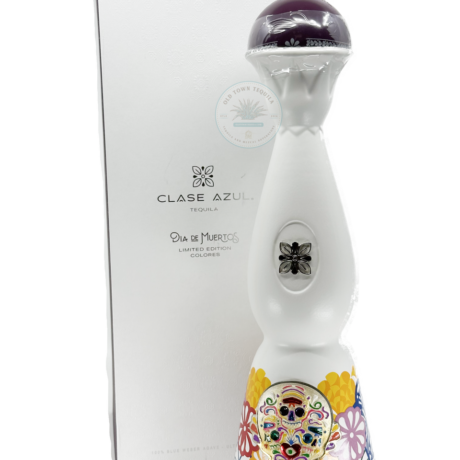
One of the standout features of the Clase Azul Día de Muertos Colores 2022 Edition Tequila is the decorative, artisanal bottle and ornamentation, which reflect the spirit and symbolism of Día de Muertos.
Design Inspiration & Motifs
-
The decanter’s design draws its inspiration from calaveritas de azúcar (sugar skulls), a central motif in Día de Muertos celebrations.
-
The base of the decanter features vivid, stylized illustrations of traditional Día de Muertos motifs: cempasúchil (marigold) blossoms, papel picado (cut‑paper banners), and sugar skull imagery.
-
The bottle is glazed in white, evoking alfeñiques (traditional sugar sweets), which ties to the sugar skull element.
Ornament & Artisanal Work
-
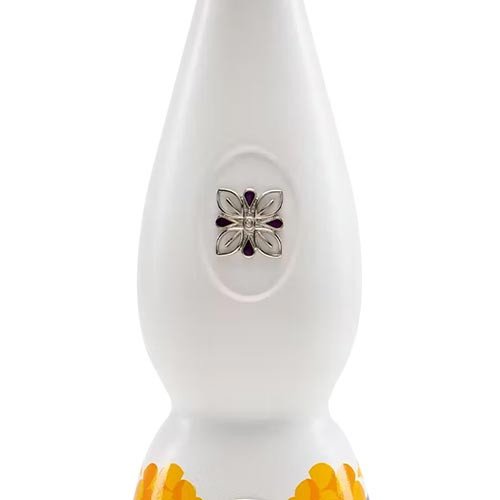
A highlight is the silver‑plated ornament affixed to the front of the decanter. It is a handcrafted piece, decorated with colorful enamel inspired by sugar skull designs.
-
The ornament is made by Mexican artisans: each takes approximately 12 days to complete.
-
The ornament is reported to be crafted in Tesistán, Jalisco using silver-plated brass.
-
The packaging typically includes a luxury display box to accompany the decanter.
Thus, the bottle itself is as much an art piece / decorative object / collector’s item as it is a vessel for tequila.
Production, Aging & Process
Agave & Distillation
-
As with other Clase Azul expressions, it is made from 100% blue (Weber) agave (though the sources do not always emphasize organic / sustainably grown status explicitly).
-
The category is añejo tequila (i.e. barrel‑aged).
Aging & Barrel Regimen
The aging process is somewhat complex / multi‑step:
-
Primary aging in American whiskey casks (for about 22 months)
-
Finishing in artisanal rum (rhum agricole) casks from Martinique for approximately 6 months .
-
The rum casks impart a subtle sweetness, leveraging residual character from sugarcane in the barrels.
-
-
Some sources say the total aging is 28 months (i.e. 22 + 6)
-
However, there’s occasional discrepancy or variation in how long the rum finish is applied depending on batch.
-
Thus, the tequila carries both the depth from whiskey barrel aging and a layer of nuance from the rum cask finish.
Appearance, Aromas & Tasting Profile
Visual / Color
-
The liquor displays a deep amber hue with golden highlights.
-
The presentation is full-bodied, rich in color.
Aromas (Nose / Olfaction)
Some of the key aromatic notes reported include:
-
Sugarcane juice
-
Quince marmalade
-
Dried fruit
-
Toasted walnut
-
Almond
These suggest a balance of sweetness, nuttiness, dried fruit character, and a touch of nutty oak.
Palate / Taste
On the palate, the tasting notes often highlighted:
-
Candied (crystallized) orange peel
-
Clove
-
Walnut
-
Cacao / chocolate / cacao nibs
The influence from the rum barrel finish may impart a gentle sweetness and roundness to the flavors.
Finish
-
The finish is described as long and sumptuous, with lingering sensations of sugarcane juice and toasted oak.
Overall, the spirit tends toward a luxuriant, complex sipping profile rather than a purely aggressive, sharp finish.
Serving Suggestions & Experience
-
Because of its refined, nuanced character, it is best enjoyed neat (without mixers) in a tulip-shaped spirits glass (or snifter) to concentrate its aromas.
-
It makes an impressive showpiece in a home bar or display, especially during the Día de Muertos season.
Symbolism & Cultural Significance
-
The “Colores” edition emphasizes the vibrancy of color in Día de Muertos — colors have strong symbolic meaning in the festival (e.g. marigold orange, decorative papel picado, etc.).
-
As the brand describes it: “celebrates the colors that illuminate this iconic Mexican celebration.”
-
Clase Azul frames the series as one of memory and tribute — connecting the art, tradition, and remembrance intrinsic to Día de Muertos.
-
The name of the series — Nuestros Recuerdos — means “Our Memories,” reinforcing that theme of homage.



Reviews
There are no reviews yet.